Project Stories
9 min.
The climate argument for working with what already exists, even when retrofit looks more expensive than new construction on first inspection.

Heritage buildings present a counterintuitive sustainability case. On first inspection, they appear to be inefficient by contemporary standards: solid wall construction, single glazing, and minimal insulation are all common features of pre-1918 building stock. The energy performance gap between a typical Berlin Altbau and a contemporary new build can be substantial.
Yet when the full lifecycle carbon footprint is calculated, heritage buildings frequently outperform new construction over realistic time horizons. The embodied carbon committed in existing fabric represents a carbon investment that has already been paid. To demolish and rebuild is to pay that cost again, plus the additional carbon emissions of demolition, disposal, and new construction.
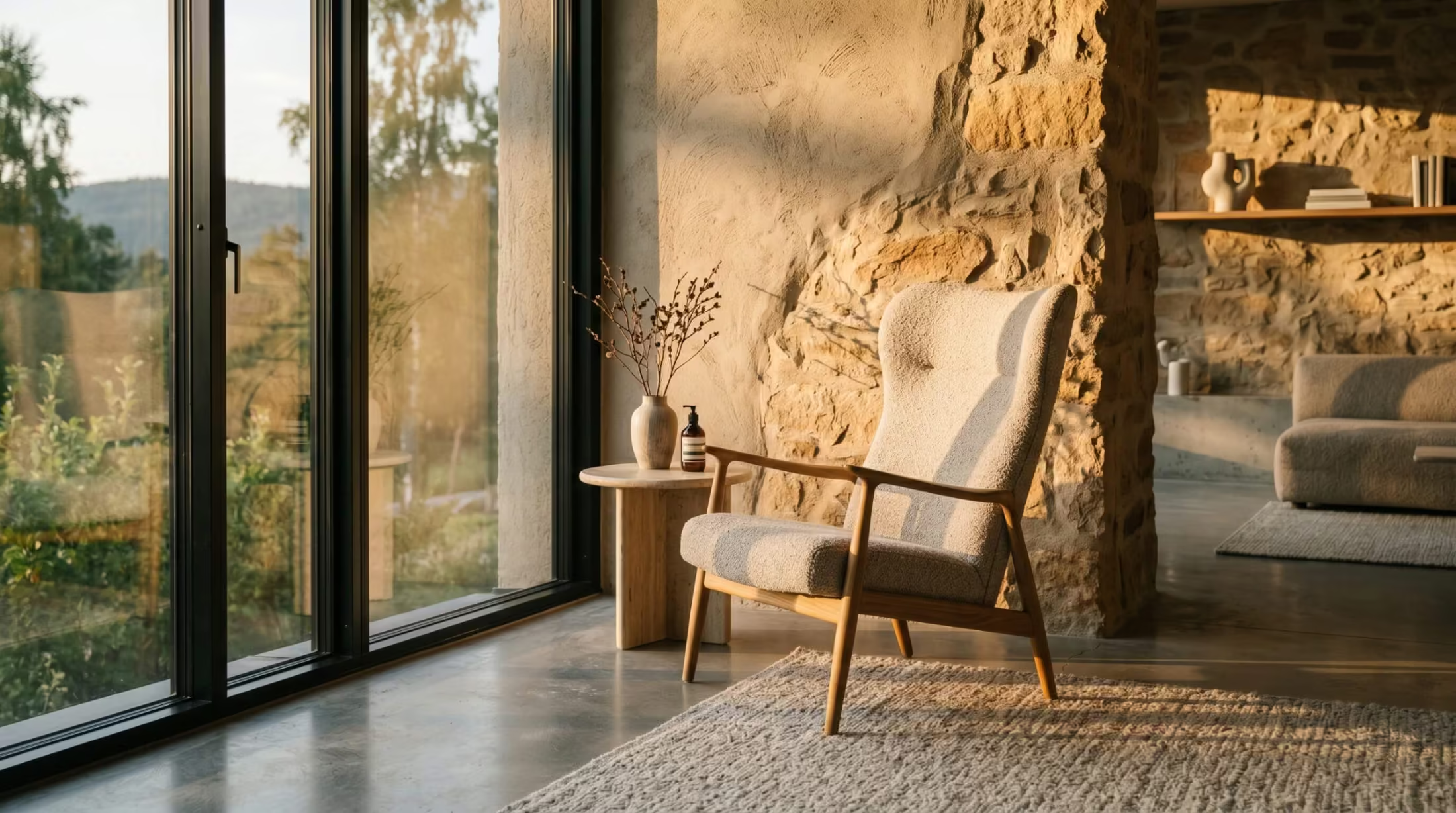
Heritage retrofit requires sensitive technical work, but the architectural answers are well established. Internal insulation, where appropriate to the construction; secondary glazing rather than replacement glazing where heritage glass is significant; high-efficiency heating systems replacing fossil fuel boilers; and careful detailing to avoid the moisture problems that have plagued some early retrofit work.
"The carbon case for retrofit is now incontestable. The technical case is also clear. What remains is the cultural shift to treat heritage buildings as the climate asset they really are."