Designing interiors that age well: A material philosophy

Article
Article
plus iconArrow icon
Designing interiors that age well: A material philosophy
Design Insights

Why honest, durable materials make better interiors over time, and how we specify them across residential and hospitality projects.

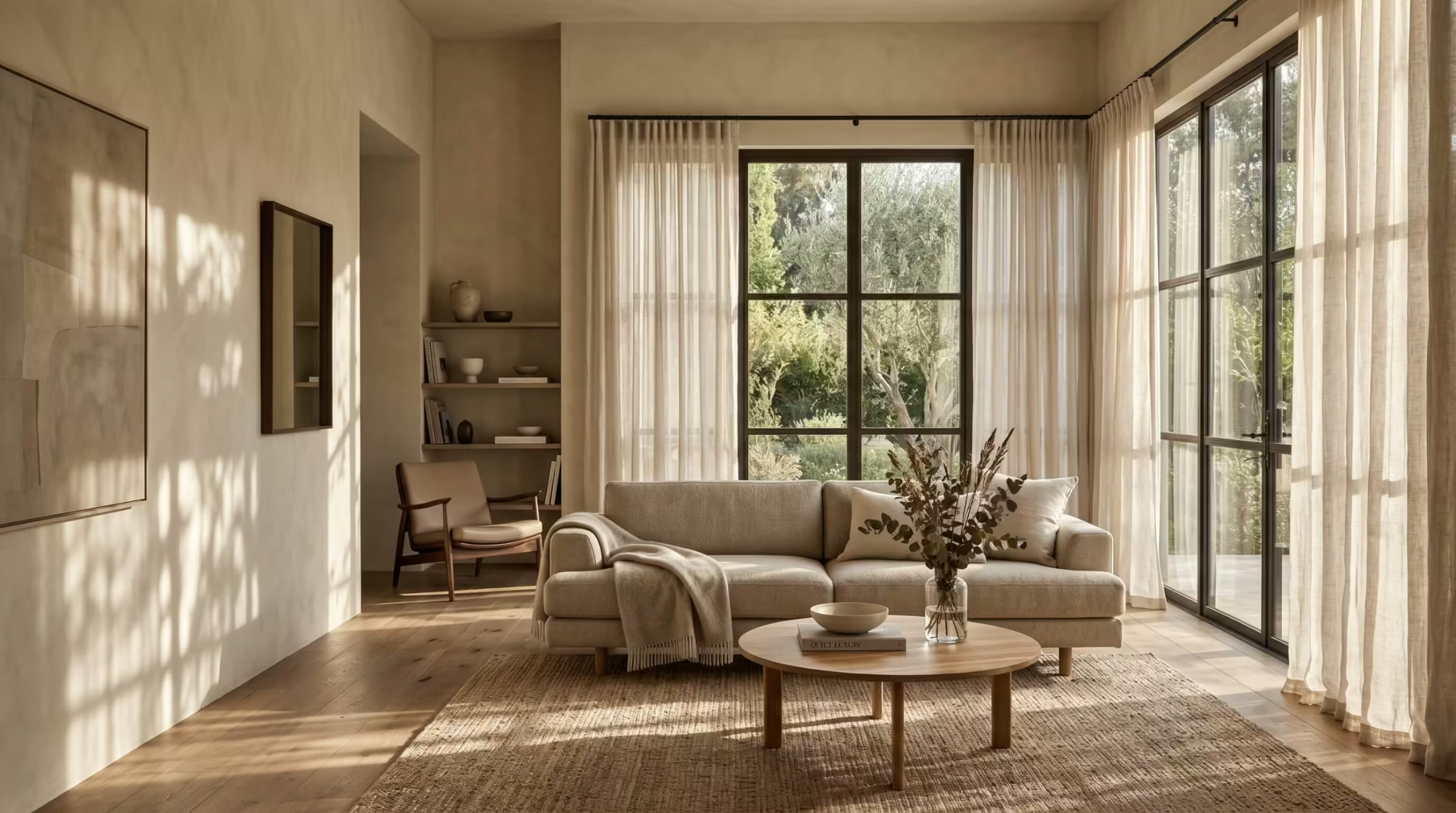
The interiors that age best are those built from materials that improve with use. Stone that acquires patina, oak that mellows, lime plaster that softens with time, bronze that develops a depth of colour that no factory finish can replicate. The opposite is also true. Materials that look perfect on the day of handover are frequently the same materials that look tired, scratched, and irreversibly worn within five years of occupation.

This is not a question of cost. Many of the most enduring material specifications in our portfolio cost less than the engineered, layered, multi-component alternatives that have come to dominate contemporary interior design. The question is one of philosophy and time horizon.
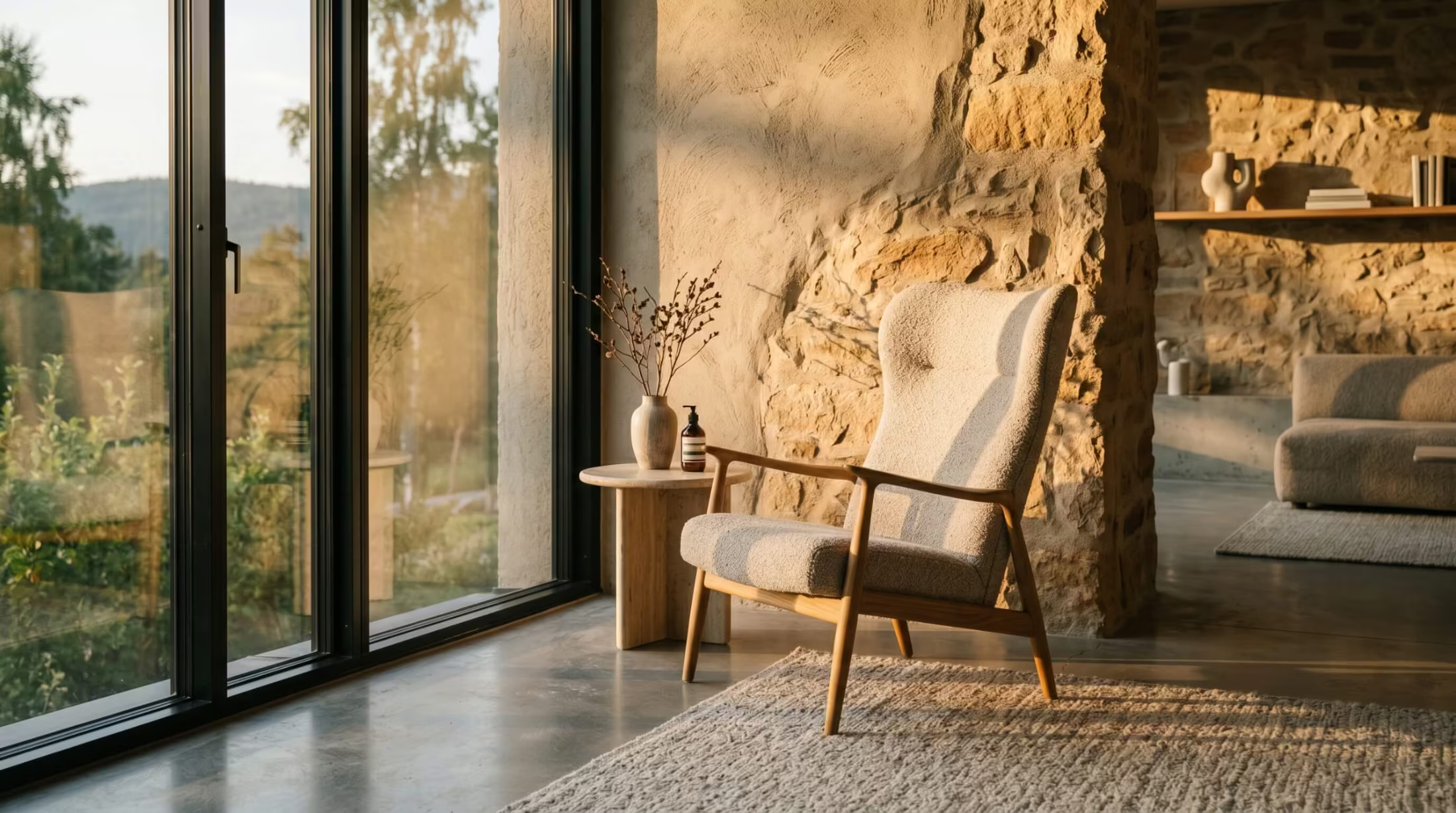
  • Honest materials are those whose composition and structure are visible in the finished work, without veneer, laminate, or applied finish hiding what is underneath
  • Durable materials are those that can be repaired, refinished, or simply allowed to weather, rather than replaced wholesale when they show wear
  • The lifecycle cost of high-quality, repairable materials is consistently lower than the lifecycle cost of cheaper, non-repairable alternatives over a 30-year horizon
Architectural warmth

The specification questions we ask

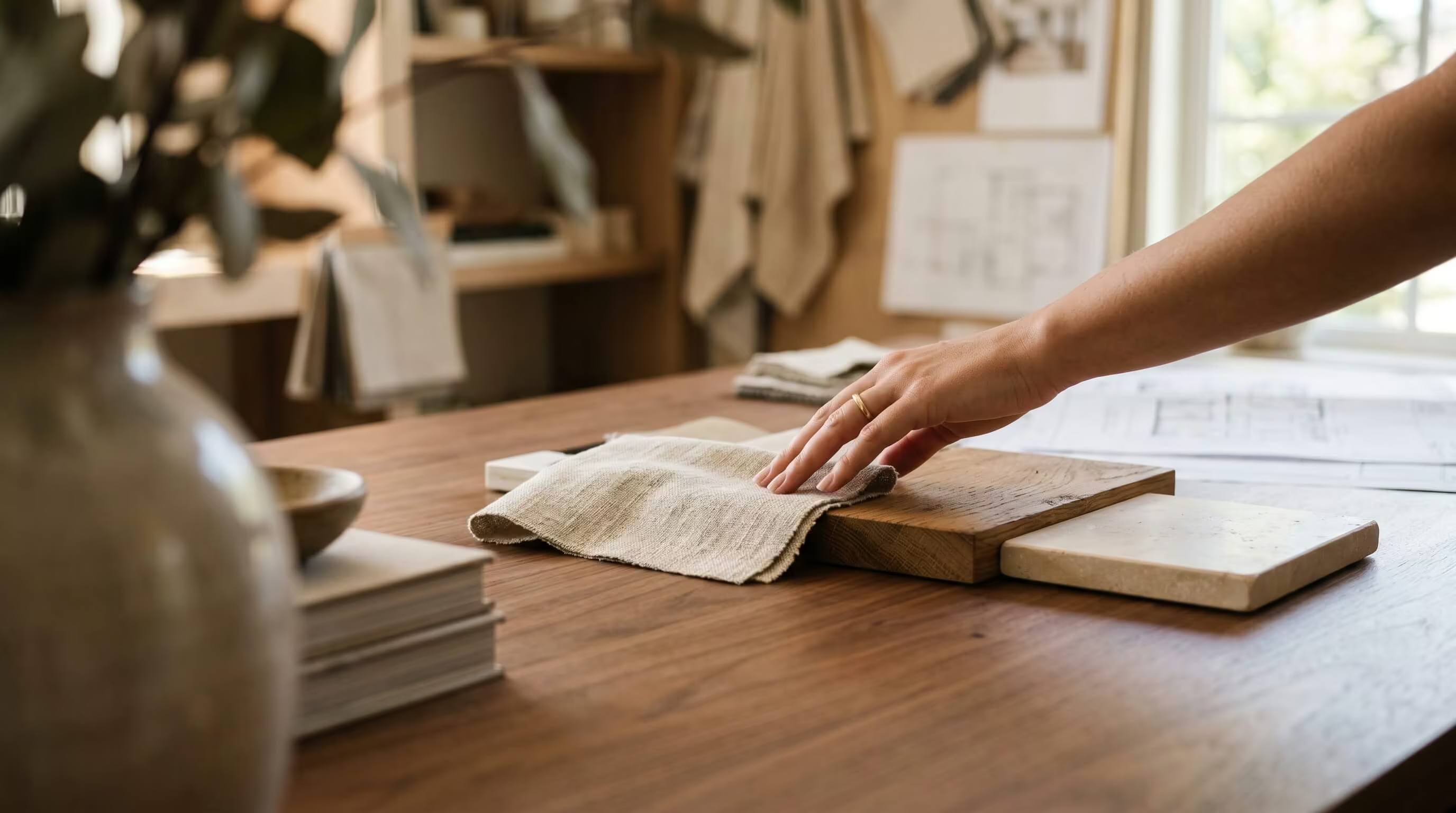
Before any material decision, we ask three questions of the specification: How will this material look after ten years of use? Can it be repaired or refinished when it shows wear? And does the way it weathers add character or detract from the project? Materials that fail any of these tests are removed from the specification, regardless of how strong the visual case for them might be on day one.

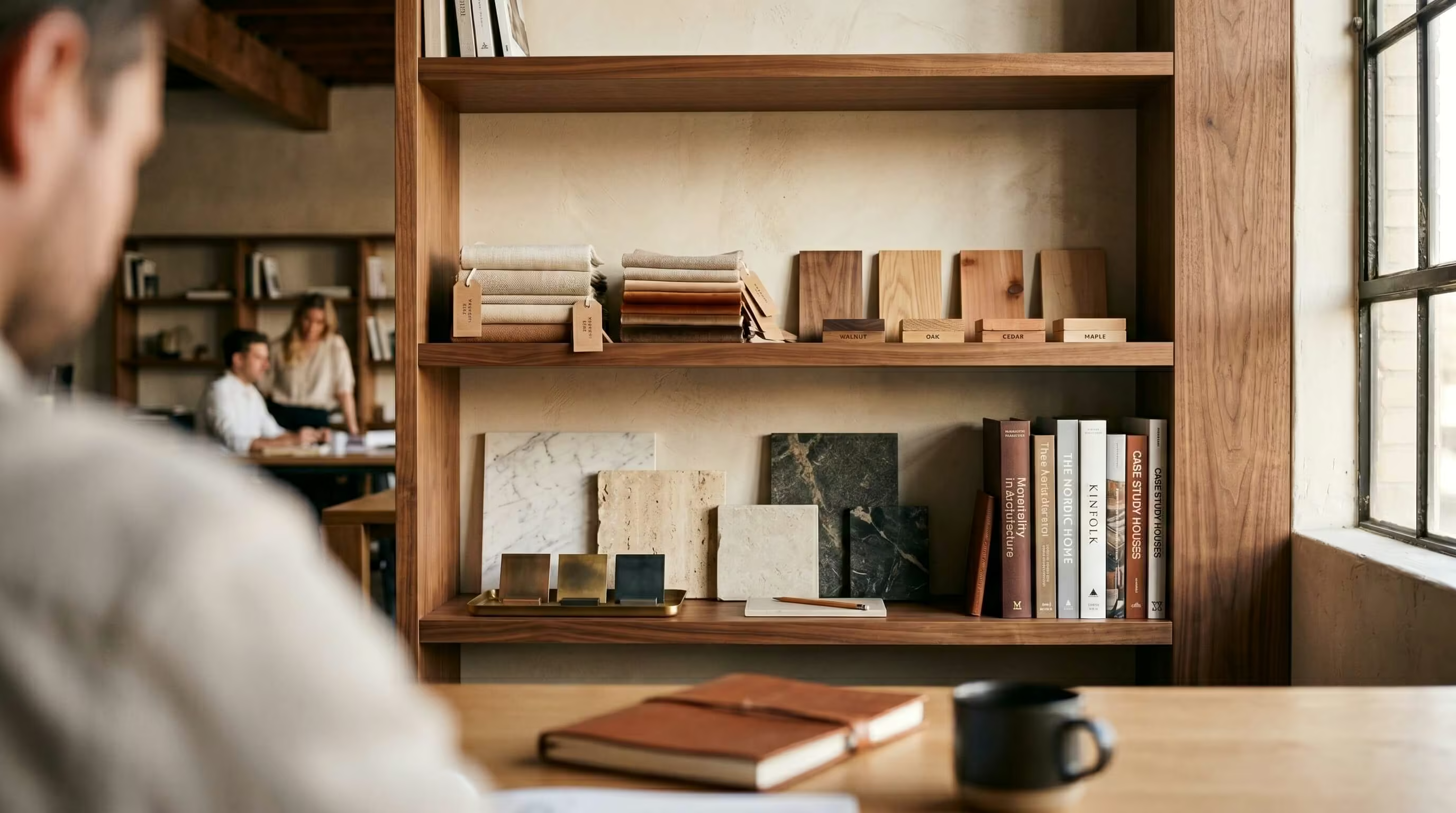
  • Limestone, terrazzo, and natural stone flooring acquire patina and can be honed or polished if required
  • Sawn or rift-sawn oak joinery can be sanded, oiled, or re-stained over many decades
  • Lime plaster softens visually with age and accepts minor repairs invisibly
  • Solid bronze, brass, and copper fittings develop a unique patina that no factory finish can replicate
"The best interiors we have ever completed are the ones we have visited five years after handover and found to be visibly better than the day they opened. That is the test."

Additional articles

All journal posts

Why the lowest carbon building is the one already standing
Project Stories

Why the lowest carbon building is the one already standing

Read
Read
plus iconArrow icon
Designing for the second family: Residential architecture for change
Design Insights

Designing for the second family: Residential architecture for change

Read
Read
plus iconArrow icon
Speicherstadt Hotel: a hotel built into a Hamburg warehouse
Project Stories

Speicherstadt Hotel: a hotel built into a Hamburg warehouse

Read
Read
plus iconArrow icon